English

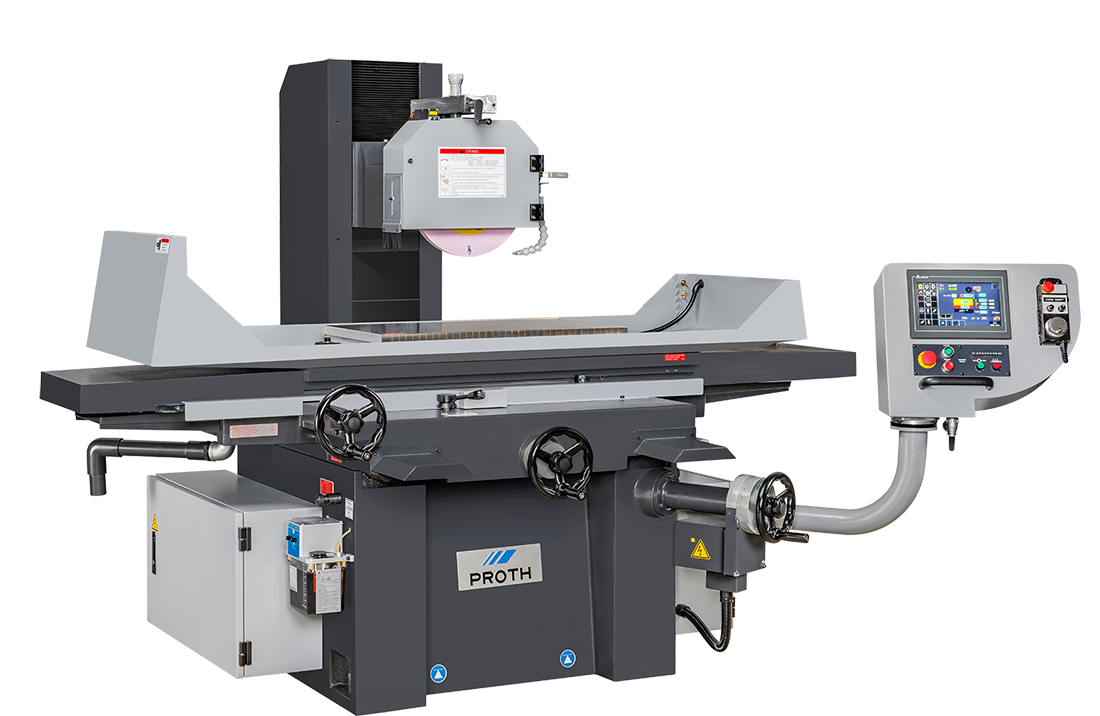


Our surface grinder is designed to meet the highest standards of precision, durability, and ease of maintenance. Engineered with industry-leading technologies, this machine ensures efficient grinding processes, exceptional surface finishes, and low maintenance costs. It’s the ideal choice for a wide range of industries that require highly accurate grinding, from aerospace to automotive and toolmaking.
PSGS-4080AHR
Xiongyi Intelligent Machinery


If you're looking for a machine that offers unmatched stability, precision, and ease of maintenance, look no further. This high-precision grinding machine is designed to meet the toughest industry standards, ensuring your operations are smooth and efficient. From its advanced guide rail system to the powerful servo motor control, this machine promises to deliver optimal results every time.
The worktable is equipped with full-track guide rails, designed to provide consistent and optimal support during left and right movement. This innovative system ensures there’s no hanging, even during heavy-duty operations, making it perfect for industries requiring high precision and stability.
The T-shaped base of this machine is a unique design in the industry, significantly improving the overall rigidity and stability. This enhanced foundation guarantees that the machine operates smoothly, reducing vibrations and ensuring high-quality results in every task.
With a base that is approximately 2.3 times the length of the worktable, this machine prevents any hanging during left and right movement. This feature is critical for heavy-duty applications, as it maintains the stability of the machine and the accuracy of your work.
For the ultimate in durability and precision, the left and right guide rails are crafted with a double V-shaped design and feature imported Japanese wear-resistant plates. This design provides a stable, accurate movement and offers a longer lifespan, even under high-demand conditions.
The fully enclosed roller bearings are a game-changer. They require no lubrication during operation, eliminating the need for constant maintenance. This feature helps maintain high performance while reducing operating costs and downtime.
The machine’s independent hydraulic station boasts an intrusive design, providing stable pressure for operations. It ensures quiet and efficient operation, contributing to a more pleasant working environment.
Say goodbye to manual lubrication. The centrally lubricated machine guide rails are equipped with an oil-out alarm, ensuring that your machine stays well-lubricated throughout the operation. This reduces wear caused by inadequate lubrication, extending the life of your machine.
This grinding machine utilizes two-axis servo motor control from Taiwan’s Shin-Dai, ensuring precise movement along the front and rear Y-axis and vertical Z-axis. This precision control significantly enhances positioning accuracy, especially during complex grinding tasks, leading to superior results.
Equipped with an automatic sanding function for the worktable, the machine allows users to set a reciprocating sanding frequency. This feature reduces manual sanding time, improving overall efficiency and productivity. Whether you're working with delicate materials or heavy-duty surfaces, this feature ensures a consistently smooth finish.
One of the standout features of this machine is its stability. With its T-shaped base, double V-shaped guide rails, and full-track worktable guide rails, it provides consistent and high-precision movement. This is perfect for industries that require accuracy, such as aerospace, automotive, and tool manufacturing.
Thanks to the innovative fully enclosed roller bearings and the centralized lubrication system, maintenance requirements are minimized. This machine reduces the need for constant servicing, cutting down on operational costs and reducing downtime.
The independent hydraulic station and integrated features work together to ensure silent and stable operation. This contributes to a more comfortable working environment, allowing your team to focus on other important tasks.
The use of Japanese wear-resistant plates on the guide rails and the heavy-duty, extended base ensures that this machine can withstand even the harshest conditions. It’s built to last, even under prolonged use, making it a great long-term investment.
With the automatic sanding function and easy-to-operate features, productivity is greatly enhanced. The machine is designed to handle complex operations with ease, freeing up time for other tasks and improving overall output.
Guide Rail Design: Full-track, double V-shaped
Base Type: T-shaped, extended for enhanced stability
Lubrication System: Centralized with oil-out alarm
Bearings: Fully enclosed roller bearings, no lubrication required
Hydraulic Station: Independent, quiet operation
Servo Motor Control: Two-axis control for precise movement
Sanding Function: Automatic, adjustable reciprocating sanding frequency
 Surface Grinder PSGS-4080AHR.pdf
| SPECIFICATION / MODELS | PSGS | ||||
|---|---|---|---|---|---|
| 2550AH | 3060BH | 4080AHR | |||
| General Capacity | Max. travel (cross x longitudinal) | mm | 280x600 | 340x700 | 460x900 |
| Spindle center height from table | mm | 500 | 600 | ||
| Max.height from table top to bottom of standard wheel | mm | 322 | 422 | ||
| Grinding surface of table | mm | 250x500 | 300x600 | 400x800 | |
| Longitudinal Movement | Hydraulic table speed | m/min | 1-25(0.3-25) | ||
| Cross Movement | Intermittent cross feed-approx.(Electro-mechanical) | mm/feed | 0.1-10 | ||
| Continuous cross feed-approx.(Electro-mechanical) | mm/min | 1000 | |||
| Hand feed per revolution | mm | 4 | |||
| Hand feed per division | mm | 0.02 | |||
| Vertical Downfeed | Rapid traverse approx.(option) | mm/min | 220 | ||
| Hand feed per revolution | mm | 1 | |||
| Hand feed per division | mm | 0.005 | |||
| Grinding Wheel | Dimension(O.D x W x I.D) | mm | 355x25x127 | 355x38x127 | |
| Spindle speed(50/60Hz) | r.p.m. | 1500/1800 | |||
| Motor | Spindle motor | 2.2kW/3HP | 3.7kW/5HP | 3.7(5.6)kW/5(7.5)HP | |
| Hydraulic motor | 0.75KW/1HP | 2.2KW/3HP | |||
| Weight | Net weight | kg | 1350 | 1900 | 2800 |
| Gross weight | kg | 1700 | 2500 | 3400 | |
| Machine Size | Dimension (L x W x H) | m | 1.7x1.87x1.8 | 1.95x1.95x1.9 | 2.55x2.1x1.9 |
Surface grinders are essential tools in various industries, used for creating flat surfaces through precision grinding. These machines are highly valued for their accuracy, versatility, and ability to deliver smooth, high-quality finishes on a variety of materials. Whether you’re in aerospace, automotive, or tool manufacturing, a surface grinder plays a crucial role in shaping your products to perfection.
In this article, we’ll dive deep into the world of surface grinders, exploring their features, types, and applications, as well as how they contribute to improved productivity and quality in industrial settings.
A surface grinder is a type of machine tool that is used to produce a smooth finish on flat surfaces. The primary function of this machine is to grind the workpiece, usually metal, to a specific thickness or flatness while maintaining precision. It uses a rotating grinding wheel, which is fed into the workpiece with the help of a motorized table or chuck.
Surface grinders are critical in industries that demand precise and accurate finishes, such as metalworking, automotive, and aerospace manufacturing. The surface grinding process is essential for improving the dimensional accuracy and surface finish of the parts.
In industrial settings, the precision of components is non-negotiable. Surface grinding helps achieve tight tolerances and smooth surfaces that are necessary for various applications, such as machinery assembly and tooling. The ability to finely grind materials is crucial for:
Improved Performance: Surface grinding ensures that parts fit together perfectly, reducing wear and tear during operation.
Enhanced Aesthetics: A finely ground surface gives components a polished look, which is often required in consumer-facing products.
Extended Lifespan: Proper surface grinding reduces the likelihood of defects and wear, increasing the longevity of the parts.
To understand how a surface grinder works, it’s essential to know the key components that make it function. These parts work together to ensure that the grinding process is accurate, efficient, and effective.

The worktable is the surface where the material being ground is placed. It can be manually or automatically fed to the grinding wheel, depending on the type of surface grinder being used. The worktable is typically equipped with a magnetic chuck to hold ferrous materials in place during grinding.
The grinding wheel is the heart of the surface grinder. Made of abrasive material, it rotates at high speeds to grind the workpiece. Grinding wheels come in various shapes and sizes, and their grit type is chosen based on the material being ground.
The magnetic chuck is a critical component that holds the workpiece securely in place during the grinding process. It uses magnetic forces to grip ferrous materials, providing a stable and vibration-free surface for precision grinding.
Surface grinders come in several types, each suited to different applications and needs. The two most common types are horizontal and vertical surface grinders.
Horizontal surface grinders feature a horizontally mounted grinding wheel that moves across the workpiece. These grinders are ideal for producing flat surfaces on large or heavy workpieces. They are often used for high-volume production where large quantities of materials need to be ground quickly.
Vertical surface grinders have a vertically oriented grinding wheel. This type is excellent for precision grinding of smaller parts and provides better control over the grinding process. Vertical grinders are often used in more intricate work, where high accuracy and a smooth finish are required.
Surface grinders offer a wide range of benefits that make them indispensable in many manufacturing processes. Let’s explore some of the key features and benefits that make these machines stand out.
One of the standout features of surface grinders is their ability to deliver high precision and accuracy. Whether you need a perfectly flat surface or a specific thickness, these machines are built to meet tight tolerances.
Surface grinders are extremely versatile and are able to process a wide range of materials, such as steel, stainless steel, titanium, tungsten carbide, and even ceramics. This versatility makes them an indispensable tool in industries that regularly process different materials.
With their robust design, surface grinders require minimal maintenance, which helps reduce operating costs over time. The machines are built to last, making them a cost-effective solution for long-term use.
Using a surface grinder might seem complex, but once you understand the process, it becomes a straightforward task. Let’s break down the steps involved in using this powerful machine.
Before starting the grinding process, you’ll need to:
Check the machine for any signs of wear or damage.
Mount the workpiece securely on the magnetic chuck or worktable.
Select the appropriate grinding wheel based on the material and desired finish.
Once the setup is complete, the grinding wheel is lowered onto the workpiece. The motorized table moves the workpiece under the wheel, and the grinding process begins. The operator must carefully monitor the grinding process to ensure the desired finish and avoid overheating or damaging the material.
Surface grinders are used across various industries due to their ability to deliver high precision and excellent surface finishes. Here are some common applications:
In the aerospace and automotive industries, surface grinders are used to achieve the high tolerance levels required for critical components, such as engine parts, turbines, and landing gear. Precision grinding ensures the functionality and safety of these parts in high-stress environments.
In tool and die manufacturing, surface grinders are used to refine and finish cutting tools, dies, and molds. The precise grinding capabilities help create tools that perform consistently, providing high-quality results across production runs.
Surface grinders are indispensable machines in modern manufacturing, delivering high precision, versatility, and cost efficiency. Whether you're working in aerospace, automotive, or any other industry that demands exacting standards, a surface grinder is a crucial piece of equipment. With their ability to produce smooth, flat surfaces with minimal maintenance, these machines ensure high-quality outputs that stand the test of time.
If you’re considering adding a surface grinder to your facility, it's important to understand the features, types, and benefits of the machine to make an informed decision. Choose the right surface grinder for your needs, and you’ll experience the unmatched precision and reliability that these machines bring to your production line.

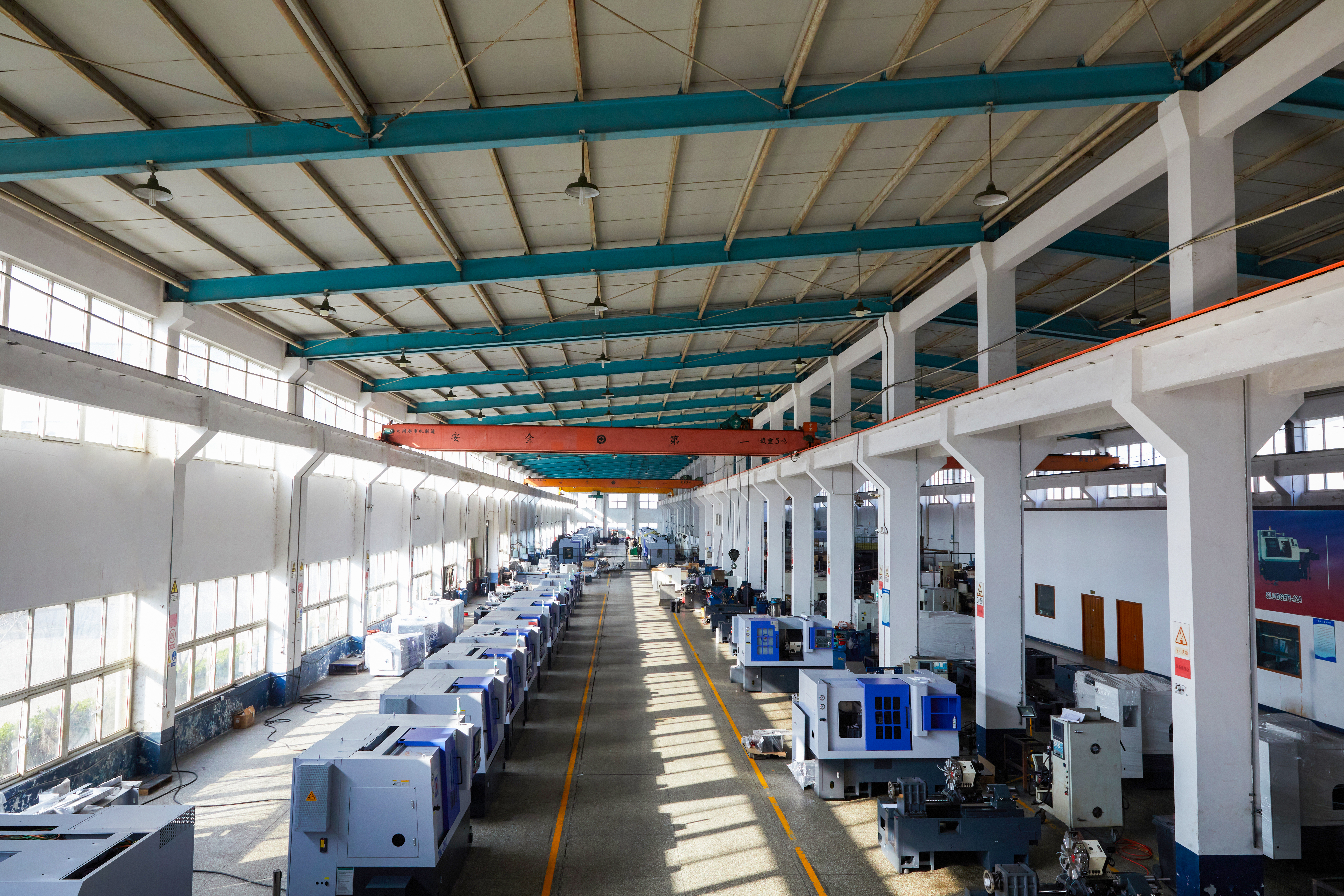
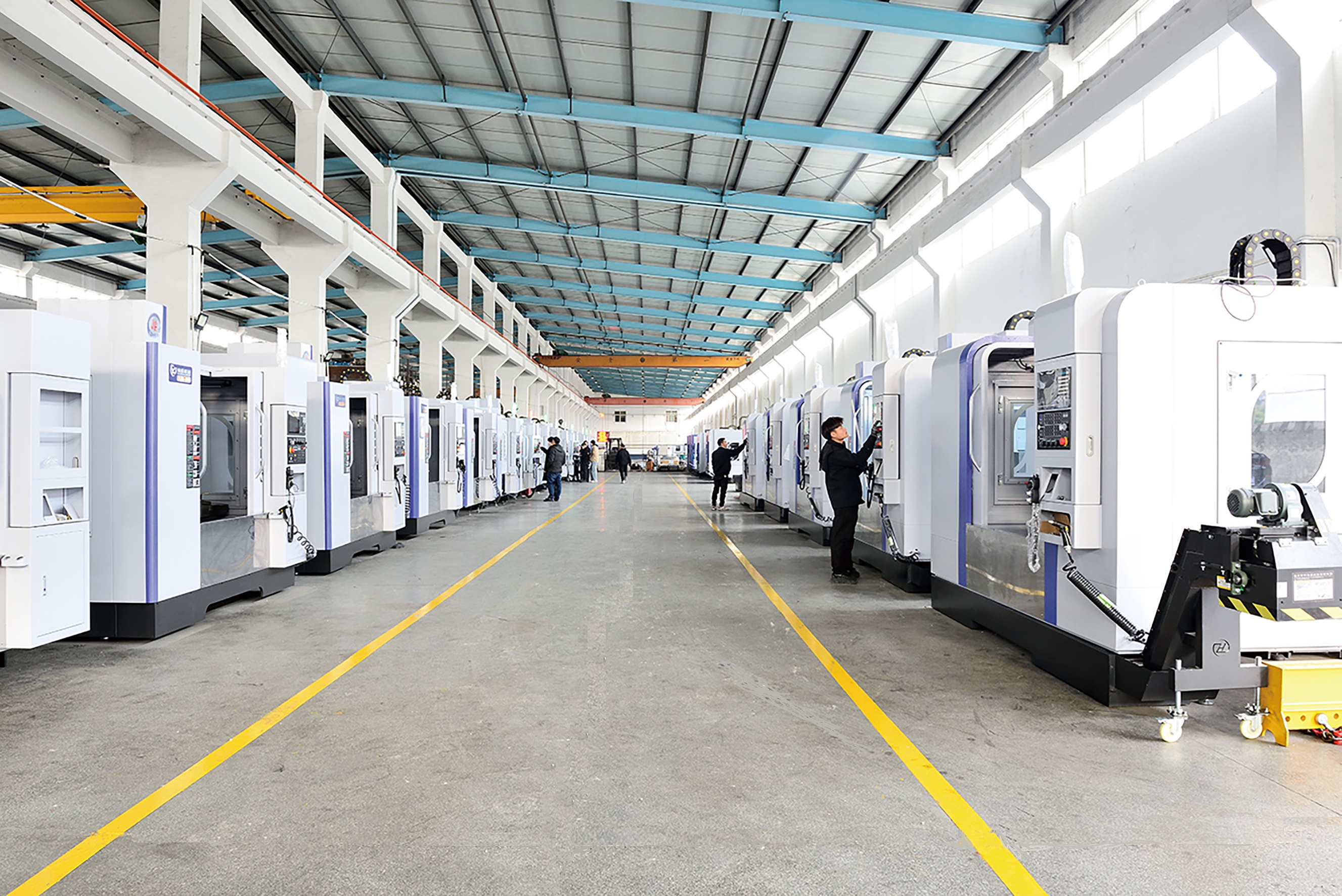
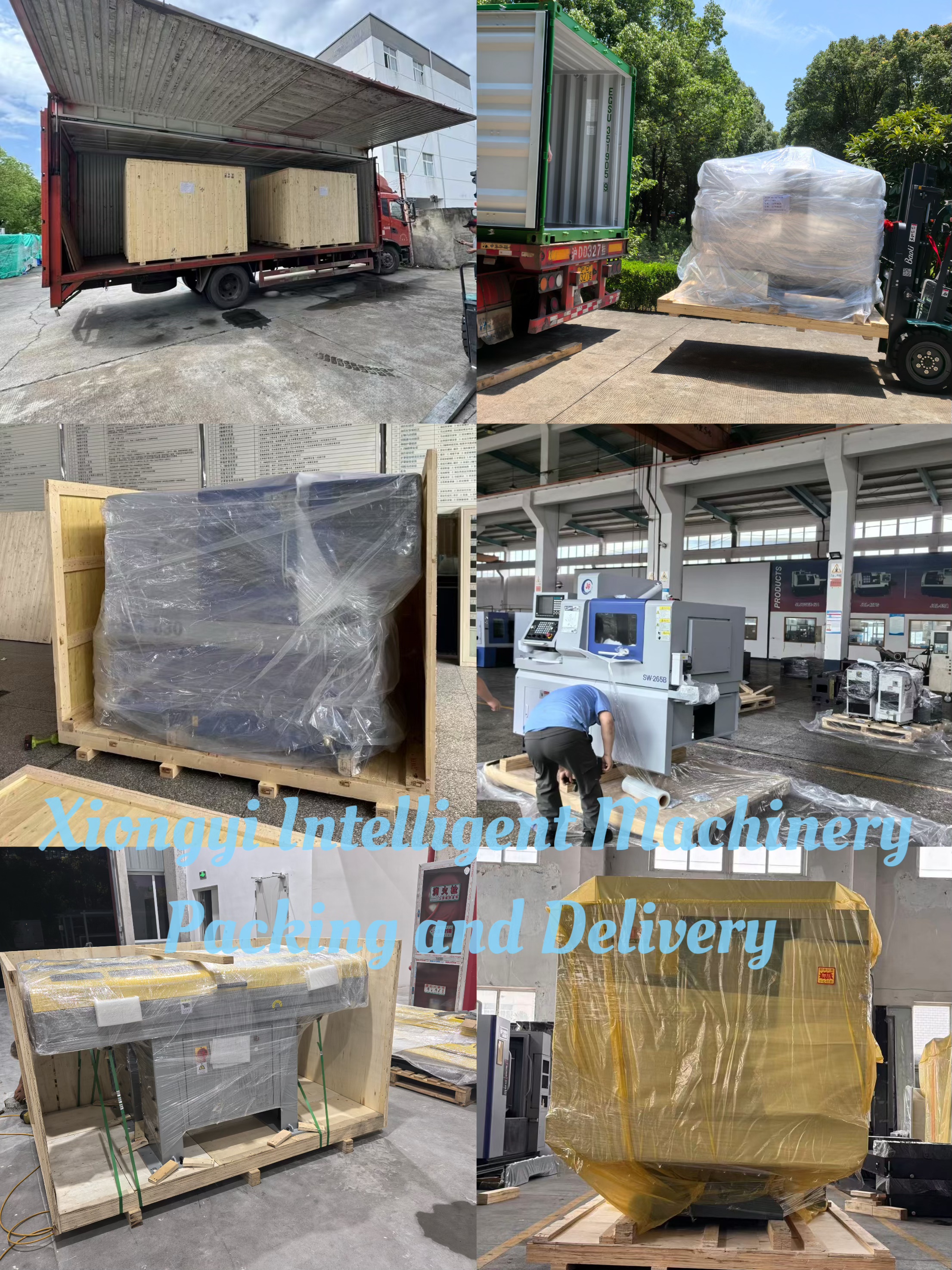

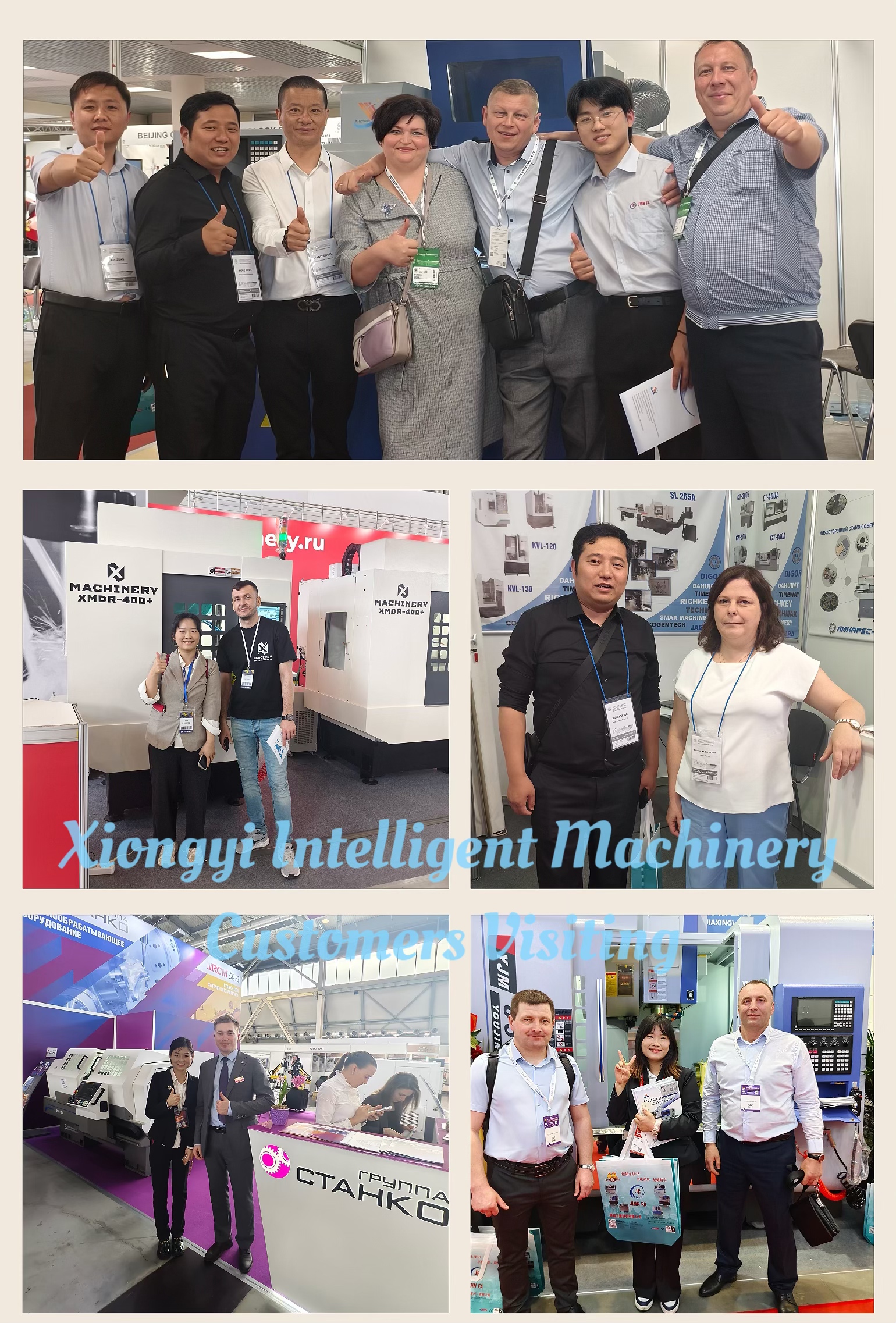
We supply a full range of grinding machines, including surface grinders, cylindrical grinders, centerless grinders, and tool grinders, among others.
Only our most popular models are listed on the website. If you require a specific type or configuration, please leave us a message, and our sales engineer will contact you promptly with more details.
Specifications such as grinding capacity, spindle speed, precision tolerance, and power requirements vary by model.
Please provide your email or phone number, and we will send you the latest technical parameters and quotation for your reference.
Yes. Our machines comply with all major international certifications, including CE, ISO, and other common export standards.
If your country requires specific technical or safety standards, please contact us directly, and we will confirm compliance in detail.
Absolutely. We can customize the machine configuration to meet your specific production or processing needs.
Our engineering team will review your requirements to ensure optimal design and performance.
We typically use FOB trade terms, but other terms can be arranged upon request.
The delivery time depends on the machine model and configuration, generally ranging from 30 to 90 days after order confirmation.
Yes. We provide a complete set of import documentation, including commercial invoice, packing list, and bill of lading, along with any additional paperwork required for customs clearance.
Yes. We will assist our customers as much as possible in obtaining the necessary import licenses or certifications required by local authorities.
All machines come with a 12-month warranty covering defects in materials and workmanship under normal operating conditions.
Damage caused by human error or improper use is not covered under warranty.
We provide remote troubleshooting and online technical guidance for all customers.
For major components damaged due to non-human factors, we offer repair or replacement services.
If on-site service is required, the buyer is responsible for the engineer’s travel expenses, accommodation, visa, and daily costs.
We accept T/T (Telegraphic Transfer) and VTB payments.
Other payment arrangements can be discussed depending on the order value and customer’s situation.


