English
Views: 0 Author: Site Editor Publish Time: 2025-12-19 Origin: Site


Have you ever wondered how perfectly shaped car parts, smartphone cases, or even medical implants are made with such incredible precision? The secret lies in CNC machines. CNC machines are the silent workhorses behind modern manufacturing, transforming raw materials into accurate, repeatable, and high-quality products. In simple words, CNC machines take human error out of the equation and replace it with digital perfection. Let’s break it all down step by step
CNC machines help streamline manufacturing processes, improve production speed, and reduce the margin of error. Whether you're producing a small batch or mass-producing items, CNC machines make it easier to produce high-quality components consistently. They also help with complex designs that would be challenging to execute manually.

CNC milling machines are versatile and can perform a variety of cutting operations. These machines use rotating tools to remove material from a workpiece, and they can be used for drilling, turning, and grinding as well. The two most common types are vertical and horizontal milling machines.
 In contrast, the horizontal CNC milling machine features a horizontally mounted spindle that allows for better tool accessibility. These machines are ideal for large, heavy workpieces and can easily accommodate multiple tool changes.
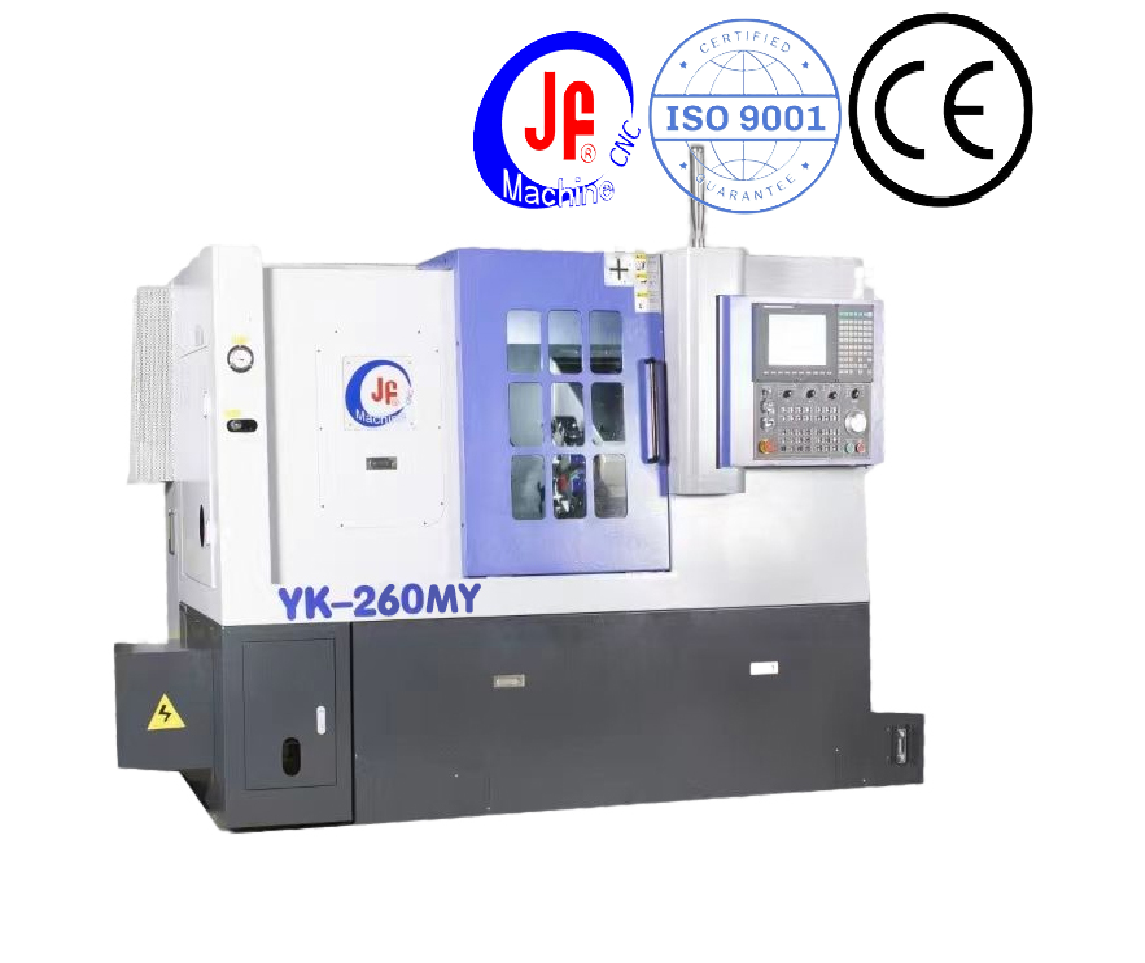
 CNC lathes are specialized machines used for turning operations, such as creating cylindrical parts. These machines use a rotating workpiece and stationary cutting tools to shape materials.


CNC (Computer Numerical Control) laser cutting is a versatile and precise manufacturing process used for cutting, engraving, and etching materials with a high degree of accuracy. It uses a laser beam focused on the material's surface, which melts, burns, or vaporizes the material along a predefined path. The CNC system ensures the process is automated, controlled by computer software, and highly accurate. Below are some common applications of CNC laser cutting:
Sheet Metal Cutting: CNC laser cutting is widely used to cut sheet metals like steel, aluminum, copper, and brass for applications in industries such as automotive, aerospace, and construction.
Prototyping: Laser cutting is great for creating prototype parts that need to be tested before mass production, especially when precision and complex designs are needed.
Custom Signs: CNC laser cutting is commonly used for creating custom signs, logos, and letters out of various materials such as acrylic, wood, or metal, with sharp edges and intricate details.
3D Displays: Laser cutting can create layered or 3D effects in signage for an innovative look, ideal for marketing and exhibitions.
Precision Parts: CNC laser cutting is used to cut intricate and precise parts for aircraft, like engine components, brackets, and structural parts, ensuring they meet the tight tolerances required in this industry.
Lightweight Components: The process can be used to create lightweight, yet strong, components by cutting thin metals, which is crucial in the aerospace sector.
Parts Production: CNC laser cutting is used to create parts like body panels, brackets, and chassis components with high precision and speed, which is essential for the automotive industry's fast-paced production cycles.
Customization: The technology also allows for the customization of car parts or aftermarket accessories.
Surgical Instruments: CNC laser cutting is used to create precise medical instruments, such as surgical blades, implants, and stents, ensuring the fine details required for medical applications.
Biocompatible Materials: Laser cutting can process a variety of materials, including biocompatible metals and polymers used in medical devices.
Circuit Boards: CNC laser cutting is used to etch fine traces on circuit boards, creating the detailed pathways needed for electronic devices.
Component Cutting: It’s used for cutting and shaping electronic components, like connectors, heatsinks, and housings, where accuracy is critical.
Fabric Cutting: CNC laser cutting is used to cut fabrics for fashion, automotive upholstery, and interior design. It can cut through intricate patterns without fraying the edges.
Design and Engraving: Besides cutting, lasers can also engrave patterns, logos, or text onto fabric materials for added decoration.
Intricate Patterns: CNC laser cutting is often used to cut detailed designs into wood for furniture, home décor, and cabinetry.
Engraving and Personalization: It’s also used for engraving logos, names, or custom designs onto wooden products, giving them a unique and personalized touch.
Precise Cutting: CNC laser cutting enables jewelers to cut and shape precious metals like gold, silver, and platinum with incredible precision.
Intricate Designs: The technology allows for the creation of highly detailed patterns, filigree designs, and small components, which would be challenging to achieve with traditional methods.
Creative Projects: Artists use CNC laser cutting to create sculptures, wall art, and other artistic designs out of various materials like wood, metal, acrylic, and leather.
Customization: CNC laser cutting allows for the creation of highly detailed, custom artwork that can be adapted to personal or commercial needs.
Cake and Chocolate Decoration: Laser cutting is used to create intricate designs on cakes, chocolates, and other food items by cutting edible materials like sugar, fondant, or chocolate with great precision.
Packaging: CNC lasers can also be used to cut and design packaging materials for food products, offering unique shapes and designs.
Precision Cutting: In the production of solar panels, CNC laser cutting is used to slice silicon wafers with extreme precision to create solar cells, ensuring optimal efficiency.
Architectural Models: CNC laser cutting is frequently used for making detailed architectural models, which require accuracy and fine details.
Metal Frames and Structures: It is used to cut structural metal components for construction, ensuring that parts fit together perfectly and meet design specifications.
Ammunition and Devices: It is also used to create cutting-edge technology used in defense systems, ensuring high standards of accuracy and reliability.
Overall, CNC laser cutting is highly valued for its ability to create detailed, precise cuts in a wide range of materials. Its versatility and accuracy make it an essential tool in many industries, from aerospace to fashion design.


What is Wire EDM (Electrical Discharge Machining)?
Wire EDM (Electrical Discharge Machining) is a specialized manufacturing process used to cut intricate shapes and contours in metal with high precision. Unlike Sinker EDM, which uses a stationary electrode, Wire EDM uses a thin, electrically charged wire to cut through the material. The wire acts as an electrode, and the material being cut is eroded by electrical discharges between the wire and the workpiece.
Wire EDM is particularly effective for making complex cuts, sharp internal corners, and small holes that are difficult to achieve with traditional machining methods. It's often used for creating parts with high tolerances, such as molds, dies, and parts for aerospace, medical devices, and automotive industries.
This method is favored for its ability to cut through hard metals, like tool steel or titanium, without applying heat that could distort the material. It's also ideal for cutting thin and delicate parts without causing damage or warping. Because of the precision it offers, Wire EDM is frequently used in industries where exact detail and high-quality finishes are essential.

CNC machines are essential tools in the modern manufacturing process, and choosing the right machine for your business can dramatically improve efficiency, precision, and product quality.
From CNC milling to laser cutting, each type of CNC machine has its unique advantages and applications. Understanding these differences will help you make the right choice based on your manufacturing needs.


