English


Swiss Type CNC Lathe SM-205
XIONGYI


The SM203 Swiss Type CNC Lathe is designed for high-precision and high-efficiency machining of small, complex, slender, and precision components. Combining advanced CNC control, a high-rigidity machine structure, precision spindle technology, high-accuracy servo feed systems, flexible guide bush configurations, and versatile live tooling, the SM203 provides an efficient machining solution for demanding small-part production.
The machine is equipped with a standard Taiwan SYNTEC CNC system, offering high efficiency, high precision, reliable operation, and excellent cost-effectiveness. The CNC controller provides accurate coordination of the machine's machining operations, making the SM203 suitable for complex turning, milling, drilling, and other precision machining processes. A different CNC control system can also be selected according to specific customer requirements.
The SM203 features a high-precision oil-cooled electric spindle designed to provide stable and reliable spindle performance during continuous machining. The spindle adopts imported high-precision angular contact bearings, providing high rigidity, smooth rotation, and excellent long-term precision retention. Spindle runout is controlled within ≤2μm, helping achieve high dimensional accuracy, excellent concentricity, and consistent surface quality for precision components.
The oil-cooled spindle design also helps control thermal effects during extended machining operations, supporting stable spindle performance and long-term machining accuracy.
The machine bed and pallet are manufactured from high-quality Meehanite cast iron, providing a rigid and stable foundation for precision machining. The stable structural design helps resist deformation and vibration generated during cutting, while the high-quality cast iron construction contributes to excellent rigidity and long-term dimensional stability.
The combination of a rigid machine structure, precision spindle, and high-accuracy feed system allows the SM203 to maintain consistent machining performance during demanding production applications.
All feed axes of the SM203 are driven by full servo motors and equipped with imported high-precision screw components, bearings, and precision guideways. This feed system provides smooth and accurate axis movement while supporting high-speed positioning and stable machining performance.
The repeat positioning accuracy of the feed axes is controlled within ≤3μm, helping manufacturers maintain consistent dimensions and repeatable machining results during continuous production. This high-precision feed system is particularly suitable for small components requiring tight tolerances and multiple machining operations.
The SM203 features a flexible guide bush structure that allows quick switching between guide bush mode and guide-bushless mode. This design enables the machine to adapt to different workpiece geometries and machining requirements.
Guide bush machining provides stable support for long and slender bar stock close to the cutting area, helping reduce material deflection and vibration during machining. Guide-bushless machining can be used for shorter and more compact components, providing greater flexibility for manufacturers producing different types of precision parts.
This two-mode configuration makes the SM203 suitable for a wider range of small-part machining applications.
The SM203 adopts a horizontal linear tool layout structure, providing a compact tooling arrangement and helping improve chip evacuation from the machining area. The tooling system is designed for efficient multi-operation machining and can accommodate different tool configurations according to customer production requirements.
Equipped with radial power tools and spindle indexing functions, the SM203 can perform a variety of machining operations, including turning, milling, drilling, tapping, and other complex machining processes.
The machine can be configured with different power tooling options according to the geometry and machining requirements of the customer's workpieces, providing greater flexibility for customized production solutions.
The radial live tooling system enables the SM203 to perform secondary machining operations directly on the workpiece without transferring it to another machine. Milling, drilling, tapping, cross-hole machining, and other operations can be integrated into the CNC machining cycle.
The spindle indexing function provides accurate angular positioning of the workpiece, making it possible to machine features at different positions around the component. By combining turning with live-tool machining, the SM203 can reduce secondary setups, workpiece handling, and production time.
For high-volume production, the SM203 can be equipped with an automatic bar feeder to achieve continuous automated machining. The bar feeder automatically supplies raw material to the machine, reducing manual loading requirements and allowing longer periods of unattended operation.
This automation solution is particularly suitable for manufacturers producing large quantities of small precision components. Combined with the SM203's multi-function tooling system, automatic bar feeding can help improve machine utilization, reduce labor requirements, and increase overall production efficiency.
 Swiss type CNC lathe machine SM-203.pdf
Technical Parameter | |||
Machine model | SM203 | ||
Processing capacity
| Maximum bar diameter (mm) | Φ20 | |
Spindle bore diameter (mm) | Φ25 | ||
Maximum machining length (mm)
| Guide bush less | 2.5D(Max.50) | |
Fixed guide bush | 220 | ||
Rotary guide bush | 180(Optional) | ||
Spindle maximum drilling diameter (mm) | Φ10 | ||
Spindle maximum tapping diameter | M10 | ||
Radial live tool maximum drilling diameter (mm) | Φ8 | ||
Radial live tool maximum thread diameter | M6 | ||
Mechanical capacity
| Spindle speed (r/min) | 10000 (rotary guide bush 8000) | |
Radial live tool speed (r/min) | 6000 | ||
Fast moving speed (m/min)
| 24(Y1、Z1) | ||
20(X1) | |||
Spindle runout (mm) | ≤0.002 | ||
Repeated positioning accuracy | ≤0.003 | ||
Tool system
| O.D.tool | 1(□16)+5(□12) | |
Axial machining tool | 4(ER16) | ||
Radial live tool | 2(ER11)+2(ER16) | ||
Motor power
| Main spindle (kW) | 4.2 | |
Linear drive axis (kW) | 1 | ||
Radial live tool (kW) | 1 | ||
Cooling pump (kW) | 0.22 | ||
Machine weight (kg) | 1800 | ||
Machine dimensions (L × W × H) (mm) | 1700×1300×1800 | ||
One of the standout features of Swiss Type CNC lathes is their unmatched precision. They can achieve tolerances as tight as a few microns, which is essential for industries where every detail matters.
Time is money, and Swiss Type CNC lathes are designed for speed. They can perform multiple operations in a single setup, significantly reducing machining time compared to traditional methods.
Swiss type CNC lathes are not just one-trick ponies. Equipped with multiple tools, they can perform turning, milling, drilling, and even threading, all in one setup. This versatility makes them ideal for complex projects.
Automation is a game-changer in manufacturing. Swiss Type CNC lathes come with automated tool changers that minimize downtime and maximize efficiency. You can switch between different tools without manual intervention, allowing for continuous production.
Space is often at a premium in manufacturing facilities. The compact design of Swiss Type CNC lathes means they can fit into smaller workspaces without sacrificing performance.
Swiss-type CNC lathe machines offer several advantages, particularly for precision machining and small parts production. Here are some key benefits:
Swiss lathes are designed for high accuracy and tight tolerances, making them ideal for producing intricate components.
They can efficiently produce complex shapes and features due to their ability to use multiple tools simultaneously.
The sliding headstock design allows for efficient material removal, reducing cycle times.
Parts are often produced in a single setup, minimizing the need for secondary operations and reducing handling time.
Swiss lathes typically include automatic bar feeders, allowing for continuous operation and increased productivity.
They can be equipped with various tool holders, enabling quick tool changes and the ability to perform multiple operations.
Ideal for high-volume production runs due to their speed and efficiency, while also being suitable for small batch sizes.
The design of Swiss lathes minimizes material waste, contributing to cost efficiency.
Overall, Swiss-type CNC lathes are a valuable asset in industries requiring high precision and efficiency, such as medical devices, aerospace, and automotive components.
Swiss-type CNC lathe machines are widely used across various industries due to their precision and efficiency in machining small, complex parts. Here are some common applications:
Producing components like surgical instruments, implants, and fittings that require high precision and biocompatibility.

Manufacturing critical components such as fasteners, bushings, and brackets that must meet strict tolerances and performance standards.

Creating small parts like fuel injectors, valve bodies, and transmission components, which often require complex geometries and high accuracy.

Machining connectors, housings, and other small components that are essential for electronic devices.

Producing intricate watch parts, including gears and cases, where precision and detail are paramount.

Manufacturing components like valves, fittings, and cylinders that require tight tolerances for proper function.

Creating screws, nuts, and bolts, often in large quantities with consistent quality.
Machining components for firearms, ammunition, and other defense-related equipment that require reliability and precision.
Producing custom tooling and fixtures that are used in various machining processes.
Overall, Swiss-type CNC lathes are particularly suited for industries that demand high precision, complex geometries, and efficient production of small parts.
When buying a Swiss-type CNC lathe, it's important to consider the right accessories to ensure the machine meets your production requirements and performs optimally. Below is a list of key accessories to think about:
A bar feeder system is a machine or device used in manufacturing to automatically supply long bars of raw material (usually metal or plastic) to a cnc lathe or swiss type cnc lathe. Bar feeders are common in machining processes that involve high production runs, as they allow for continuous, automated feeding of materials, increasing efficiency and reducing downtime.
Automated bar feeders help load material into the machine for continuous, high-volume production. Depending on your needs, you may choose a pneumatic, hydraulic, or servo-driven feeder.

A Synchronous Rotating Guide Sleeve Seat is a component used in Swiss-type CNC lathes or automatic lathes. It serves as a guide for the material (typically bar stock) during the machining process. This sleeve seat has a specific design that allows it to rotate synchronously with the spindle or other components of the lathe, ensuring that the bar or workpiece is fed accurately and stably through the machine.
A tube-like structure that supports and guides the bar stock through the lathe's spindle or the workholding system.
This refers to the fact that the sleeve rotates in sync with the lathe's spindle or another rotating component, which ensures precise feeding of the material and reduces deflection during machining.
The synchronous rotating guide sleeve provides precise alignment and stability for the bar stock as it enters the machining zone. It prevents the bar from wobbling or shifting, especially when machining small and long parts.
It helps maintain uniformity in feeding the material through the machine without causing deflection or vibration.
When machining long or slender parts, bar deflection can lead to inaccuracies. The synchronous rotation of the guide sleeve helps reduce this deflection by keeping the bar in position and supporting it as it moves through the spindle.
The rotation ensures that the bar stock is being fed smoothly, which is especially crucial for operations requiring high precision, such as turning or drilling.
The synchronous rotation feature enhances accuracy by ensuring that the guide sleeve and the workpiece rotate together, leading to a more consistent cutting action, reducing the chance of tool chatter or part distortion.
It’s particularly important when working with small-diameter or delicate materials, which are more prone to misalignment or deflection.
By maintaining proper alignment and reducing vibrations, the synchronous guide sleeve can help improve the surface finish of the parts being machined, especially for precision applications in industries like medical, aerospace, or electronics.
Swiss-type lathes often perform multi-axis machining and need high versatility to handle complex operations. The synchronous rotating guide sleeve seat plays a critical role by ensuring that the material is aligned and fed consistently, allowing for these complex operations like milling, drilling, tapping, and turning.
Used for machining small, precise parts such as medical devices, electronics components, or automotive parts where both material stability and high precision are required.
When machining long bars or thin workpieces that are prone to deflection, the guide sleeve ensures they are fed through the machine without misalignment.
Swiss-type CNC lathes often operate at high speeds, and the synchronous rotating guide sleeve helps maintain stability during these fast operations, ensuring continuous accuracy.
: By minimizing deflection and vibration, the guide sleeve helps to reduce tool wear, extending tool life.
Ensures better surface finishes and tolerances by preventing material movement and deflection.
Allows for smooth and efficient material feeding, which can reduce cycle times and improve overall machine throughput.
The synchronous rotating guide sleeve seat is a critical accessory in Swiss-type CNC lathes, ensuring precision, stability, and smooth material feeding. It is especially important for delicate or small parts that require high accuracy, and it supports long or thin materials that might otherwise deflect. By rotating synchronously with the spindle or other machine components, it reduces errors, minimizes tool wear, and helps produce high-quality finished parts.
These are essential for holding small parts securely in the spindle. Choose from pull-back, hydraulic, or pneumatic collet chucks based on the level of precision required.
Quality tool holders are essential for holding the cutting tools with minimal runout and vibration. Consider purchasing static, live, and rotary tool holders depending on your operations.
These tools are crucial if you need to perform milling, drilling, or tapping operations. Live tools rotate with the spindle, enabling complex multi-axis machining.
An automated part catcher can remove finished parts from the machine, reducing manual handling and improving cycle time efficiency.
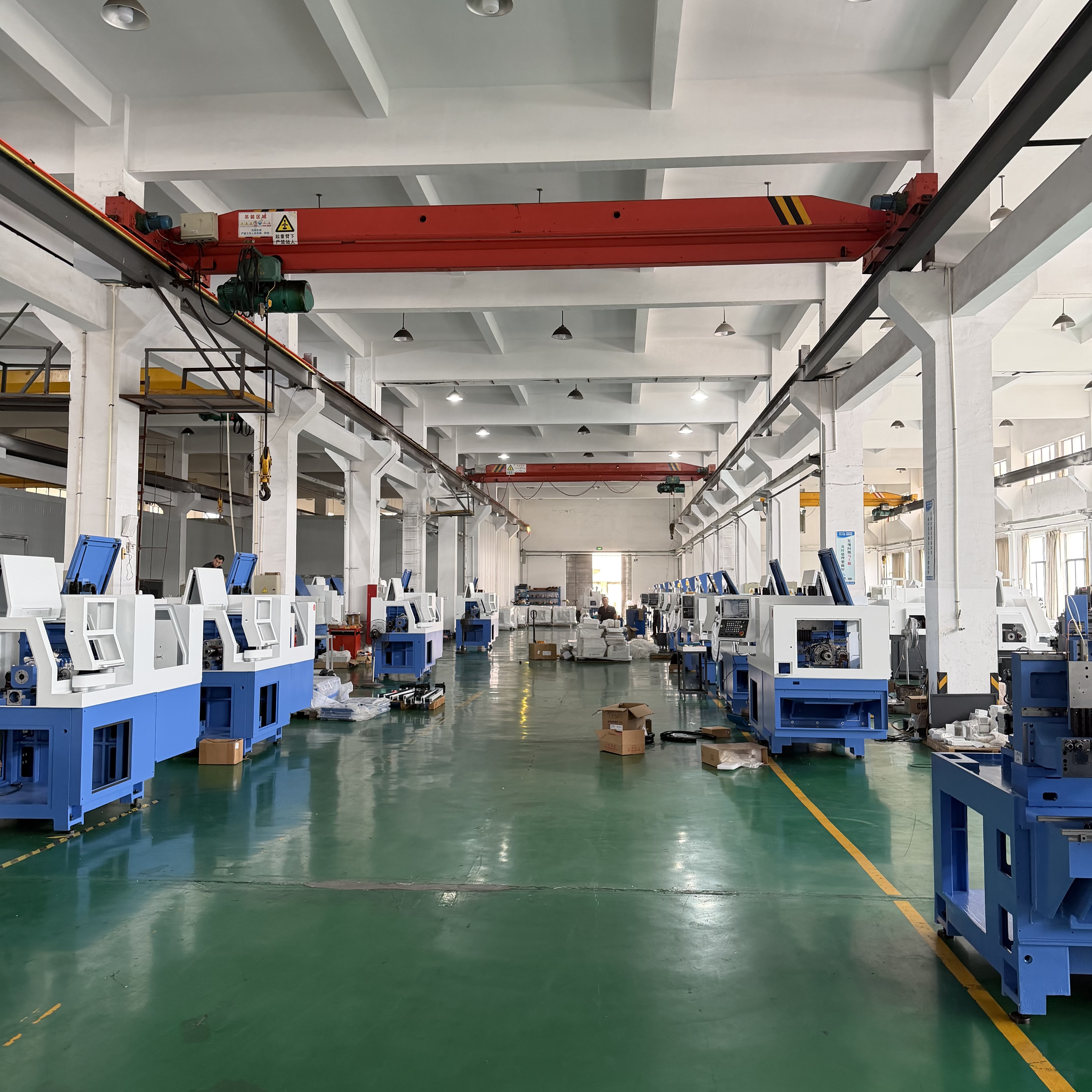
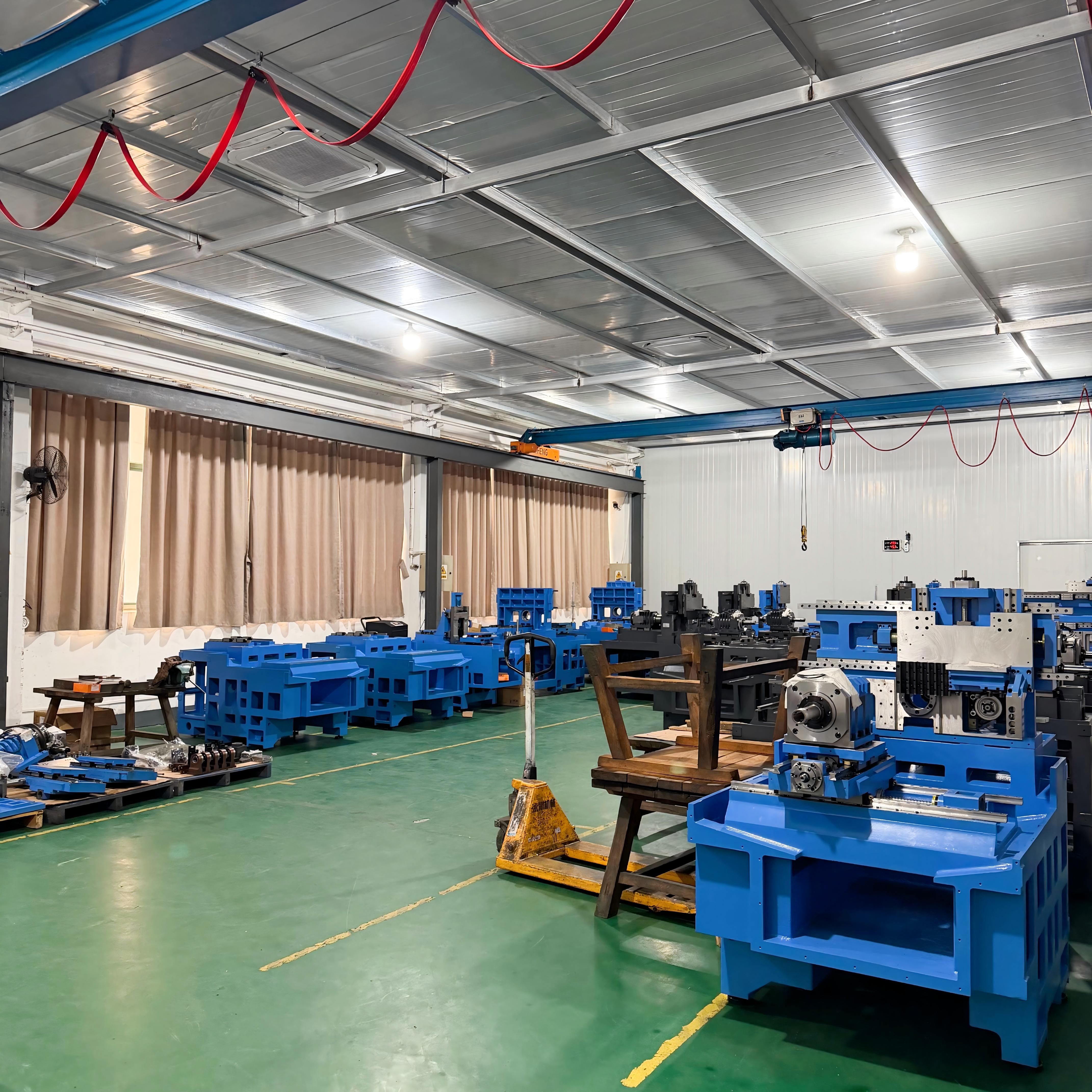
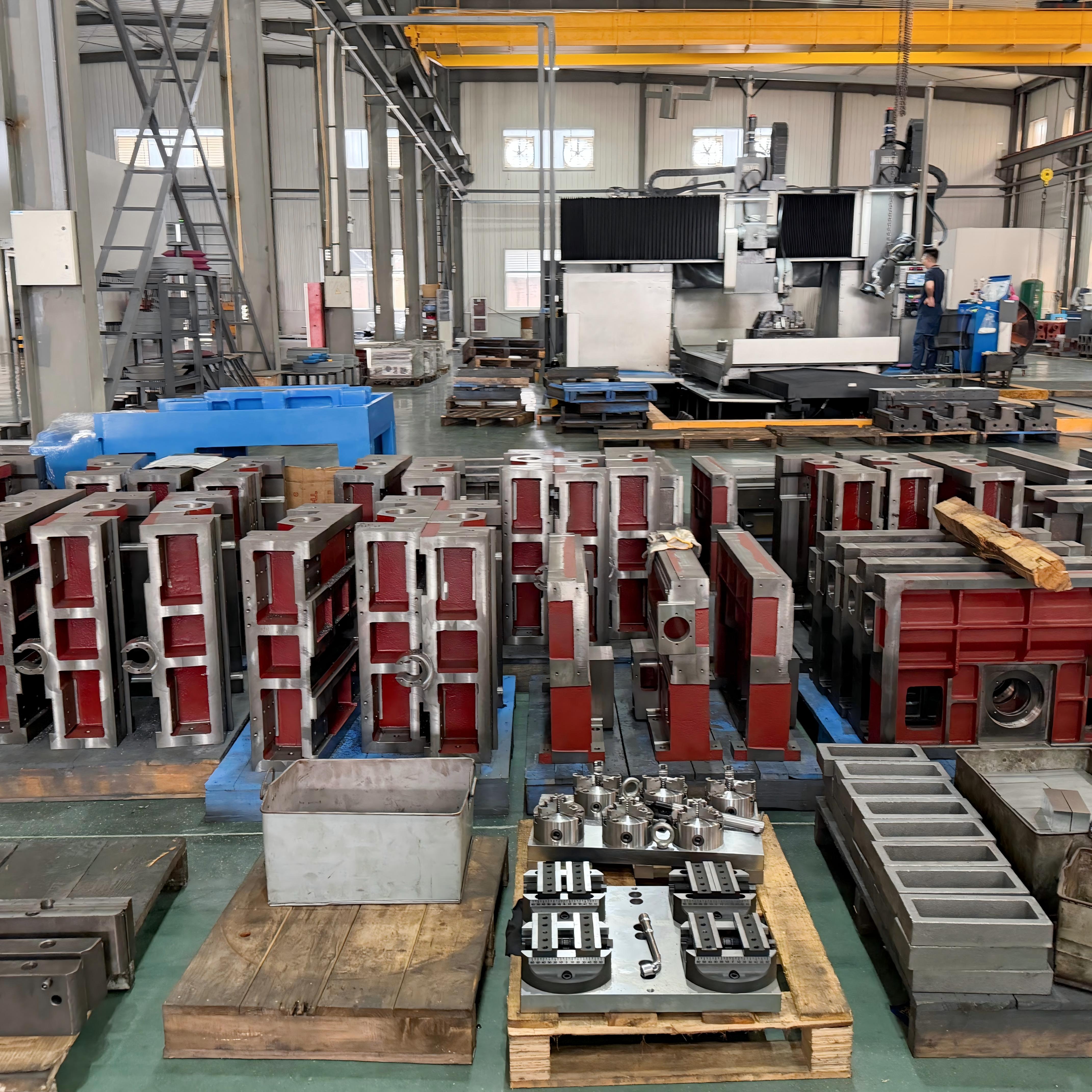
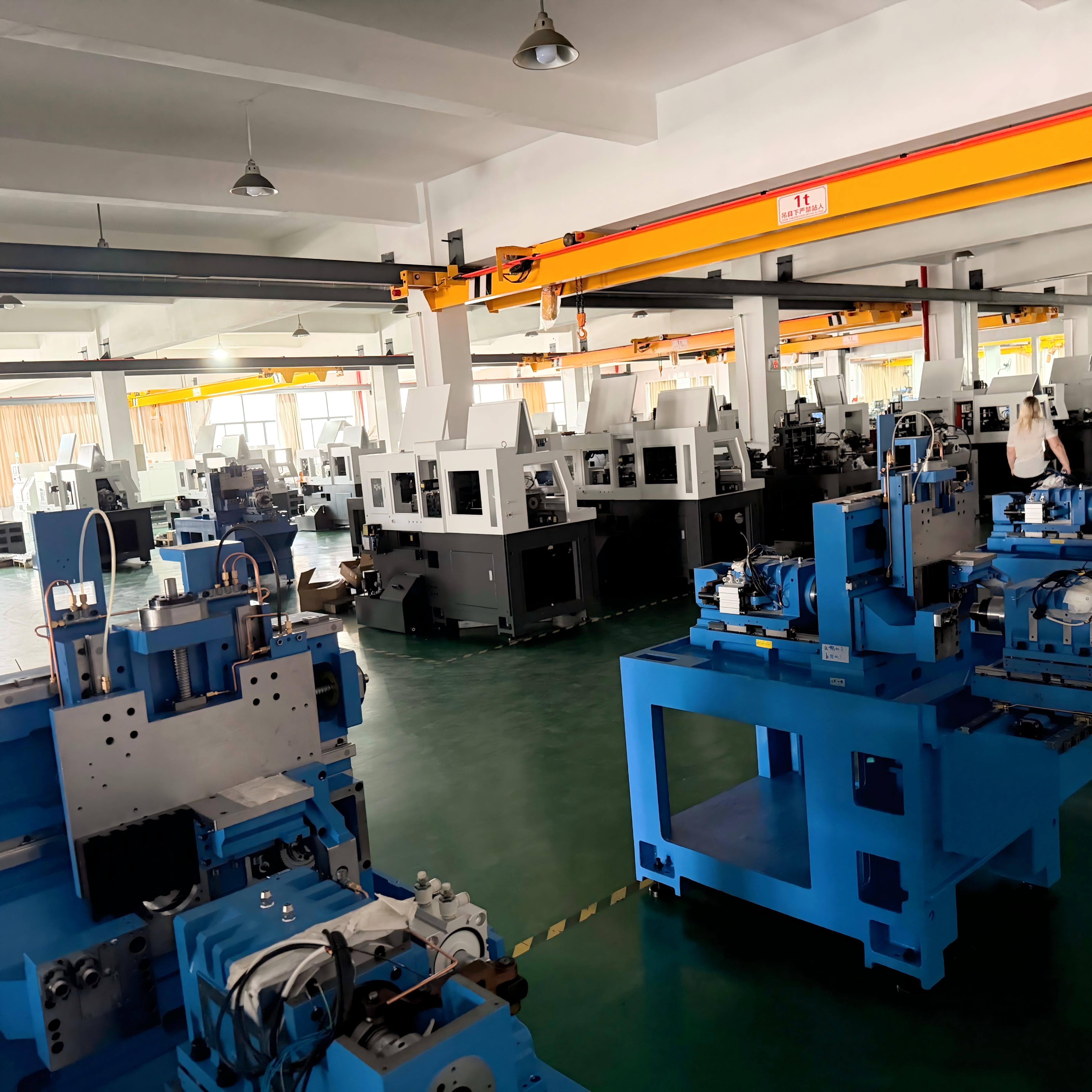
Swiss-type CNC lathes are specialized machines designed for producing precision parts in large volumes. They utilize a sliding headstock and a guide bushing to support long, slender workpieces, allowing for high-speed machining and tight tolerances.
Precision: High accuracy and tight tolerances.
Efficiency: Capable of high-speed machining, reducing cycle times.
Flexibility: Can handle a variety of materials and part shapes.
Long parts: Ideal for machining long, slender components.
Swiss-type lathes can machine a wide range of materials, including metals (like stainless steel, aluminum, and brass), plastics, and composites.
The main difference is the design and machining process. Swiss lathes use a sliding headstock and guide bushing for support, which is better for longer, thinner parts, whereas traditional lathes typically have a fixed headstock.
They are commonly used in industries such as medical device manufacturing, aerospace, automotive, and electronics for parts like screws, bolts, and intricate components.
Consider factors such as the size of the parts you need to produce, the materials you'll be using, production volume, and your budget. It may also be helpful to consult with a supplier or industry expert.
Regular maintenance includes lubrication of moving parts, checking and calibrating tools, and ensuring the machine is clean. Following the manufacturer’s maintenance schedule is essential for optimal performance.
Yes, many modern Swiss lathes can be integrated with automation systems, such as bar feeders and robots, to enhance productivity and reduce manual labor.
Operators typically need skills in CNC programming, understanding of machining processes, and familiarity with tool setup and maintenance. Training is often provided by manufacturers or technical schools.
They can be more expensive than traditional lathes due to their advanced technology and precision capabilities. However, the cost may be justified by the improved efficiency and output quality.
If you have specific questions or need more detailed information, feel free to ask!


